Sports Development | Oba Group Africa Sports Academy
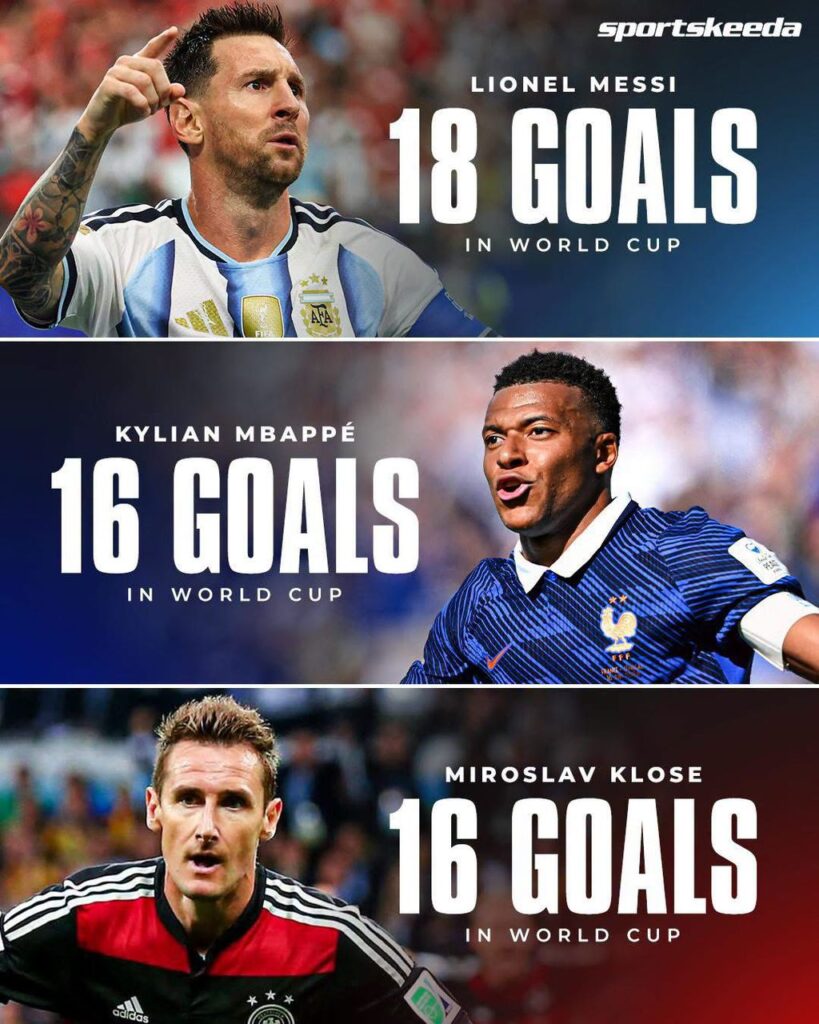
As Messi and Mbappé make history on pitches in Texas and New York, as 48 nations battle for the greatest prize in sport, Nigeria — a country with millions of football fans — is not there. Not again. For the second consecutive World Cup, the Super Eagles are absent. And while fans argue about referees, penalties, and missed chances in Rabat, a harder question demands an honest answer: when will we stop producing talented players and start building systems that carry them all the way?
The 2026 FIFA World Cup is the biggest football tournament in history — 48 teams, 104 matches, 16 host cities across the United States, Canada, and Mexico, with a record $50 million prize for the winners. The world is watching. Africa has nine representatives. Nigeria is not one of them.
The Super Eagles were eliminated on penalties by DR Congo in the CAF playoff finals in Rabat, Morocco — the latest chapter in a story of talent without structure, potential without pathway, brilliance without bedrock. They missed the 2022 World Cup too. Back-to-back absences, for the first time in the nation’s football history.
At Oba Group Africa, through our Sports Academy subsidiary dedicated to fostering youth development and excellence in football through structured training and mentorship, we believe this moment demands more than disappointment. It demands a reckoning — and a response.
The Numbers Tell a Story Nigeria Needs to Hear
48 teams are at the 2026 World Cup. Nine of them are African — the most Africa has ever sent to a World Cup. Nigeria has now missed back-to-back tournaments for the first time since their debut in 1994, leaving millions people watching from home.
Nigeria has qualified for six of its last nine World Cups. The Super Eagles have produced Victor Osimhen, Bukayo Saka, Alex Iwobi, Wilfred Ndidi, and a generation of players performing at the highest levels of European football. The talent pipeline is not the problem. What happens before that pipeline is the problem.
“You cannot build a generation of world-class footballers by discovering them late and hoping for the best. You build them — deliberately, structurally, from the grassroots up.”
What the World’s Best Nations Do Differently
Watch the countries dominating this World Cup and a pattern emerges. Spain, France, Germany, Brazil, Morocco — they do not stumble into greatness. They architect it. Behind every Mbappé is an academy with a curriculum. Behind every winning team is a pipeline that starts at age seven, not seventeen.
Elite football development looks like structured academies with year-round training programmes and pathways that track a child from grassroots play through to senior competitive levels. It looks like professional coaching at every age grade — not just senior coaches who trickle down, but qualified youth coaches who understand child development and psychological readiness. It means education integrated with football, so that sport is not a gamble but a structured investment. It includes sports science, nutrition, and physical conditioning support — the marginal gains that separate a talented teenager from a professional athlete. And it requires data-driven scouting that reaches every local pitch, every rural community, every school compound — because Africa’s best talent is not all in Lagos.
Nigeria has none of this at scale. Talented children are found by accident, polished by European clubs that benefit from their labour, and then asked to represent a system they were never truly part of.
Africa Is on the Pitch — Nigeria Must Be Next
There is an Africa story at this World Cup worth celebrating, even in the pain of Nigeria’s absence. Nine CAF nations qualified — the most Africa has ever sent to a World Cup. Morocco, South Africa, Egypt, Senegal, and others are flying the continental flag. The expanded 48-team format was, in part, designed to open the door wider for Africa and other regions.
The door is open. Nigeria is not walking through it — not yet. But the 2030 World Cup, to be hosted partly on African soil for the first time, creates a timeline and a target. The question is whether Nigeria will spend the next four years rebuilding seriously, or hoping another Osimhen appears from nowhere.
What Oba Group Africa Sports Academy Is Building
We are not content to watch from the sidelines — literally or figuratively. The Oba Group Africa Sports Academy exists precisely because we believe that the next generation of Nigerian and African footballers deserves more than raw talent and a prayer. They deserve a system.
Our approach to youth development is built on three pillars that the world’s leading football nations have long embraced: structured training and mentorship through age-appropriate development programmes guided by qualified coaches invested in each player’s long-term growth; holistic athlete development that ensures young players are psychologically prepared, academically grounded, and equipped to perform under pressure; and community-rooted scouting that reaches into every corner of Nigeria to identify talent that conventional pathways miss.
The players who will represent Nigeria at the 2030 World Cup are young people right now. They are on dirt pitches in Owerri, concrete courts in Kano, and school fields in Lagos. The question is not whether they are talented. The question is who is building the system around them.
A Message to Every Young Nigerian Watching
If you are a young footballer watching this World Cup — feeling the sting of Nigeria’s absence — let it fuel you, not define you. The Super Eagles will return. But they will only return differently if the work begins now, at every academy, every training ground, every youth competition across the country.
And to every parent, every school, every local football club: the investment in structured, professional youth development is not a luxury. It is the only path to a different result.
Build the next Super Eagle — start with structure.
The Oba Group Africa Sports Academy is committed to developing Nigeria’s next generation of footballers through professional training, mentorship, and structured development pathways. If you are a player, parent, school, or partner who shares this vision, visit obagroupafrica.com to connect with our team.